
The UK is quietly becoming one of the most hostile countries in the democratic world for digital freedom and privacy.
If this claim seems exaggerated, you only have to look at what’s happened in the last year to get a clear picture:
In early 2025, the government secretly served Apple a notice under the Investigatory Powers Act demanding a backdoor into encrypted user data. Apple’s answer was to rip the feature out of the UK entirely rather than build it.
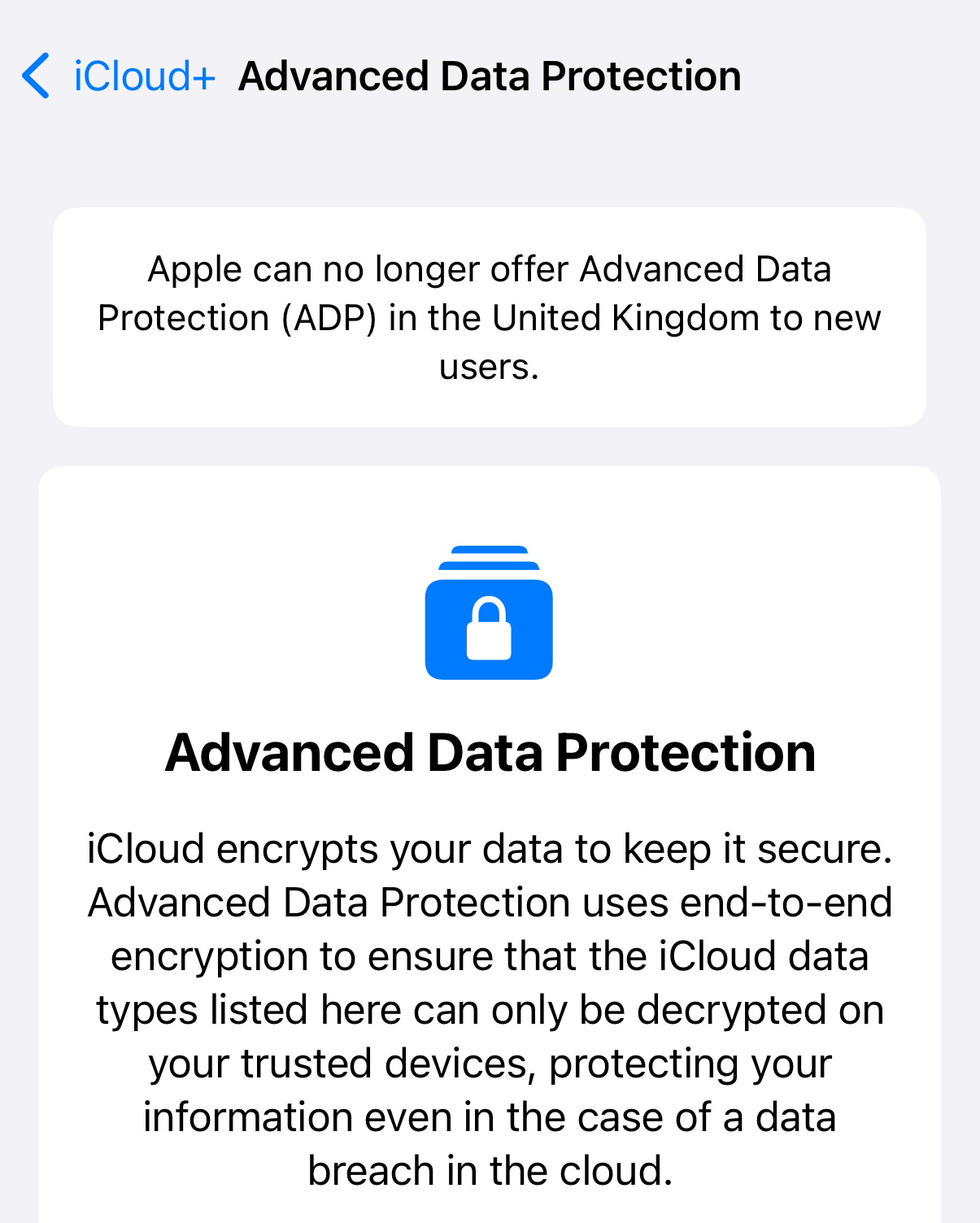 The UK is still the only country in the world where this feature is disabled for iPhone users.
A few weeks ago, Keir Starmer’s government gave Apple and Google three months to make all phones and tablets scan all images by default to look for nudes. To opt out of this egregious invasion of privacy, users would have to scan their faces or submit their official identity documents to Apple and Google to prove that they’re adults.
Just recently, Starmer unveiled new plans to ban social media for anyone under 16. Once again, it means Big Tech platforms like YouTube and TikTok get carte blanche to hoover up as much personal data as they can about their users to show they did everything they could to keep children off their platforms.
Now it seems like a VPN ban is looming in the background, a final move to stop users from desperately trying to reclaim the digital rights they grew up with.
This doesn’t look like a one-off blunder anymore: the British state is hell-bent on building as much general-purpose surveillance infrastructure as possible, and consistently treats anonymity as suspicious, encryption as dangerous, and privacy as something citizens must justify rather than a right they are entitled to.
Make no mistake, these are the classic tools of authoritarian states. Keep walking down this road and there won’t be much left to distinguish British surveillance from China’s, except the insistence that it’s all being done for the children.
What’s most concerning is that there’s very little political opposition to this. Faced with the largest expansion of digital surveillance in the country’s history, the supposed party of opposition’s only objection is that it wasn’t brought in fast enough.
For me, it’s genuinely sad. A country that spent centuries exporting the idea of individual liberty has decided to die on the hill of normalising the idea that every citizen should be scanned, verified, logged, and watched by default.
Once the infrastructure of mass surveillance exists, the question is no longer whether it will be abused, but when. We should be much more alarmed than we are.
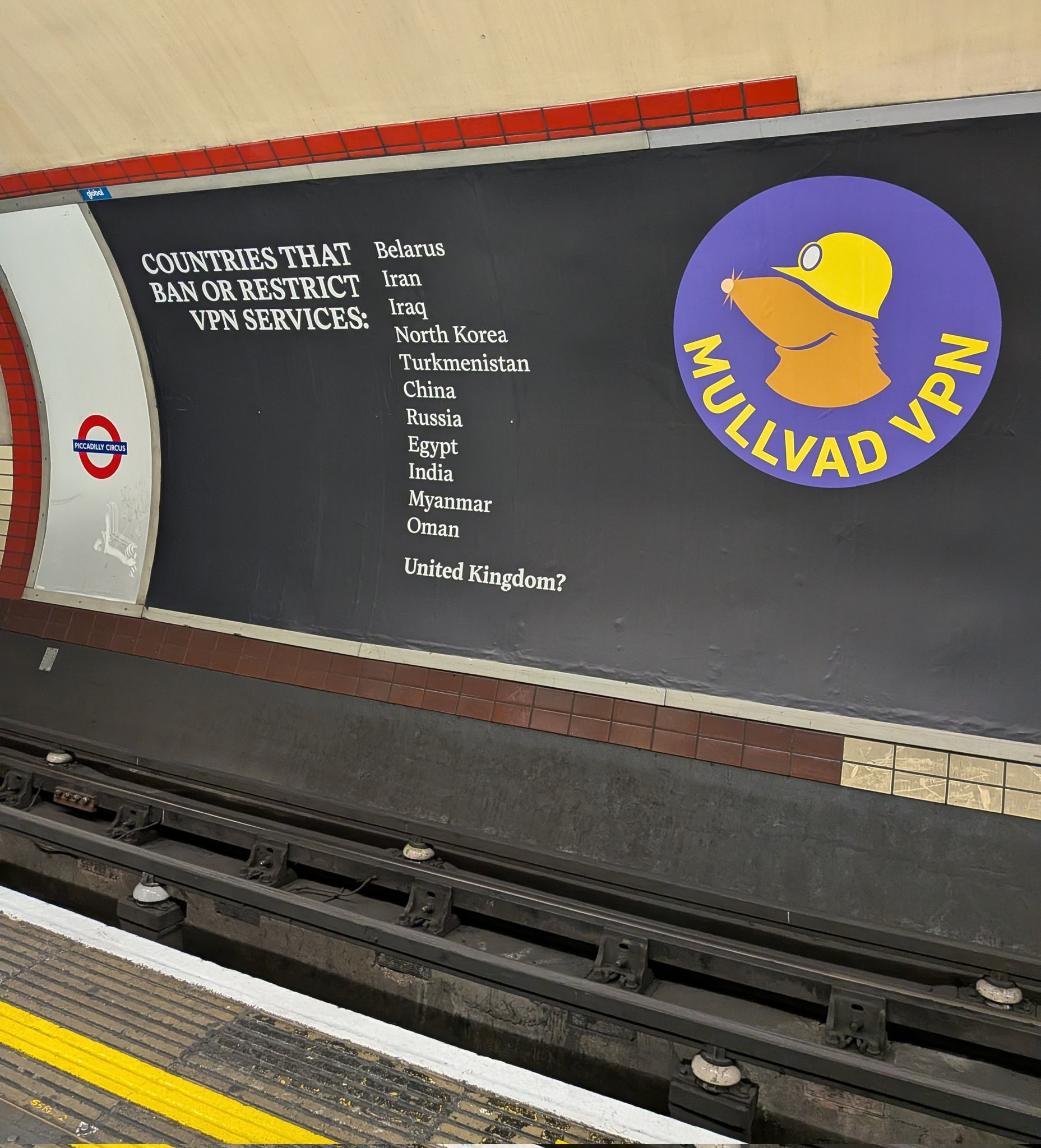 A recent Mullvad VPN ad on the London Underground